 by
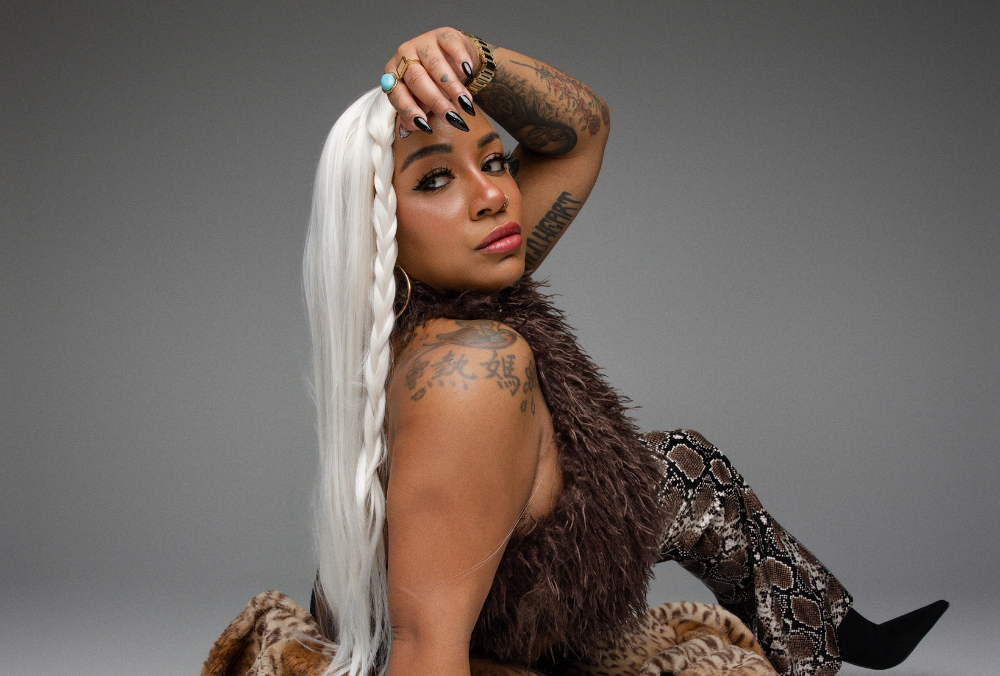
by Rising genre-defying artist Lipstick Killer has officially dropped her highly anticipated EP, Cigarettes & Heartbreak. The five-track project is a raw, unfiltered exploration of love, betrayal, and survival, born from the collapse of a five-year relationship. From the hypnotic intensity of “Darkness” to the gut-wrenching revelation of “Delaware Ave” and the vulnerable closing track “Real,” the EP captures heartbreak and empowerment in equal measure, showcasing Lipstick Killer’s fearless genre-bending sound and emotional honesty. On top of that, she just gave fans even more to celebrate with the release of the vibrant new music video for “Have A Nice Day”, one of the EP’s standout tracks.
The name Lipstick Killer is striking and provocative. Why did you choose it, and what does it represent about who you are as an artist and a woman?
Lipstick Killer is really just me in a name—cute, feminine, and absolutely deadly on the mic. I grew up living in duality: soft and tough, tomboy but girly. When I started rapping, I was battling mostly boys, holding my own, wearing lipstick, and still winning. I love that contrast. I don’t have to lose my femininity to be powerful. Feminine but dangerous—that’s the whole vibe. And honestly? Black Widow was already taken, so this fit even better. Damn you, Marvel, LOL!
Your image balances danger and femininity so clearly. How intentional is that duality in how you present yourself?
It’s very intentional because it’s very real. That duality has always been my nature. I’ve been blurring lines and battling norms since I was a kid. My mom would dress me up super pretty to go outside, and I’d come back with glass in my knees and blood everywhere from racing bikes—and smiling. I’ve always danced with danger… and my mom knew it. Her knees were tired from praying for me because she knew exactly what kind of child I was. That mix of femininity and fearlessness has always been my world.
Leaving college early to chase a label deal in Atlanta could have ended very differently. How did that moment shape your independence and mindset moving forward?
It actually did end very differently. I dropped out, moved to Atlanta, and was literally sleeping on a couch in a studio while finishing my album. I went from being told a label was going to change my family’s life—pay off my parents’ mortgage, invite my whole family to a yacht to celebrate—to losing that deal completely. I left home as the hood hero everyone believed in, and suddenly there was nothing. That kind of moment either breaks you or forces you to grow up fast. It hurt, and it definitely planted a bitter seed about the music industry early on. I learned some really harsh truths. But I also found a stubborn strength in myself. I knew I couldn’t go back home with my head down. I had to keep going, had to prove—to myself more than anyone—that I could really do this. That experience shaped my independence, my resilience, and my mindset moving forward. It made me tougher, wiser, and way more self-reliant.
Fronting bands like Rebella Rising and opening for artists like Ariana Grande and MKTO gave you major stage experience early on. What did those years teach you about commanding a crowd?
I’ve been performing in front of large crowds since I was about sixteen, so while opening for artists like Ariana Grande and MKTO were incredible opportunities, my stage experience definitely didn’t start there. The stage has always felt like home to me. When I’m onstage, I become a different version of myself—that’s where I thrive. I come from a theater background, so I’ve never been timid about performing. It’s a rush you can’t really explain—it’s my drug. Those years taught me that commanding a crowd isn’t about the size of the audience, it’s about presence and connection. My mom always told me it doesn’t matter if it’s one person or ten thousand—you show up the same and give it everything. I perform that way because I love it. I love seeing people sing my words back to me, watching their emotions, and feeling that shared energy. That connection is my favorite part of being an artist, and it’s what makes a crowd move with you. I’m honestly so anxious—in the best way—to get back onstage.
How did the idea for this EP first come to you, and how did it evolve during the process?
There’s no mystery behind this EP—it was born straight out of betrayal and heartbreak. I was dealing with the end of a relationship with the love of my life after finding out he was cheating, and everything I wrote came from that emotional free-fall. The songs move through love, anger, obsession, passion, confusion—all of it. Love really is one hell of a drug. During that time, I didn’t even fully understand my own emotions, and I think you can hear that in the music. I was torn between what people expect you to do after heartbreak—be the ‘bad bitch,’ shut your heart off, move on—and what I was actually feeling, which was still loving someone who had hurt me. I was grieving the loss of my partner and my best friend at the same time, and that confusion lives in every track. The title came from a real moment. I was sitting outside, crying, reflecting, chain-smoking more than I ever had before, and I looked down at the ashtray and realized it was overflowing with cigarette butts. I just thought, damn… cigarettes and heartbreak. That was it. The EP evolved by letting myself stay honest in that mess instead of trying to clean it up.
Was there a particular mood or emotion you wanted listeners to feel from start to finish?
Absolutely. I wanted listeners to feel my mood—every emotion, start to finish. I want them to feel every tear, the heartburn, the crash-outs, the jealousy, the anxiety, the stomach knots… even every cigarette I smoked during that time. I wasn’t trying to soften it or make it pretty. And the reason is simple: because I know they’re feeling it too. We’ve all been heartbroken, spiraling, trying to hold it together. But I also wanted that shift—the high that comes with saying, ‘F it.’ F it, I’m a baddie or F it, I’m a good dude. F it, I know my worth. F it, I deserve better.
How did you decide on the track order — is there a story or journey behind it?
Yes—there’s definitely a journey behind the track order. The EP follows the real emotional cycle of betrayal, not the fantasy version where someone leaves after the first red flag. Let’s be honest—sometimes people don’t leave right away. I’ve always felt cheating is a symptom of something deeper, and I wanted to address that bigger issue too. Who Dat opens the project because that was my reaction the first time I had real proof. It was me reminding myself who I am—standing in my power—even though I was still bleeding underneath the bravado. Delaware comes next because that was the second, more blatant betrayal. That wasn’t just anger anymore—it was the moment where you realize, ‘Okay, this is really done.’ Have a Nice Day is the false calm—the point where you think you’re good, detached, ready to move on. But then Darkness hits, because no matter how tough you act, feelings don’t just disappear overnight. Love lingers. Ending with Real was intentional. It’s softer, more vulnerable, and probably unexpected. That’s the lipstick part of Lipstick Killer—sexy, emotional, honest, missing someone you shouldn’t miss. It felt like the most truthful way to close the story.
Were there any moments during recording or writing that surprised you creatively?
I wouldn’t say I was surprised creatively, because I’m very intentional about bringing real emotion and authenticity into the booth. I believe the more deeply I feel something, the more the listener will feel it too. That said, there were moments during writing and recording that caught me off guard emotionally. I found myself tearing up, swallowing tears in the booth, reopening wounds I thought were already healing—and realizing I still had more work to do. Some of those songs forced me to confront very uncomfortable, deeply personal truths I’d probably never talk about openly. But being that honest felt important. It reminded me that I’m not the only woman—or person—going through this. My music isn’t a space for judgment; it’s a space for understanding. Whether you leave or stay, forgive or don’t, feel angry or still in love—it’s all human. I wanted the music to reflect that.
How do the songs reflect your personal growth as an artist? Did you experiment with any new sounds, techniques, or instruments on this project?
This project really reflects my growth through experimentation—that’s always been my lane. I’m a genre-bender by nature. On Delaware, I leaned into that Project Pat and Three 6 Mafia influence, which was a lot of fun. Who Dat taps straight into my street roots—I’m a hood chick at the end of the day, so those gritty vibes felt natural. Darkness is more my bread and butter sonically, and it definitely opened the door for where I’m headed next—heavier guitars, darker textures, and melodic hooks. Real was probably the most unexpected moment. I’m not a ‘singer-singer,’ but I can sing—and tapping into that softer, more vulnerable space felt exciting and different. Maybe a little T-Boz energy in there,” laughs. Overall, this project pushed me to trust my range more. And I’ll say this—once we’re past Cigarettes & Heartbreak, the next project is about to be straight-up psychotic. Just wait.
With Cigarettes & Heartbreak, Lipstick Killer proves that heartbreak can be both devastating and transformative. The EP is a cathartic journey through pain, resilience, and self-discovery, solidifying her as a bold, uncompromising voice in modern alternative music. For fans old and new, this release is a testament to the power of vulnerability, authenticity, and refusing to let setbacks define your story.